
How to Spot Phishing Without Overthinking It
What this means
Phishing still works on tired evenings. A short habit beats trying to memorise every scam variant.
Note: This site may show light ads and occasional affiliate links. How that works.
Phishing is a message that wants you to act before you think — sign in, send money, share a code. The brand looks familiar. The pressure is the point, and new variants appear every week.
You will not catch every new template. You do not need to. You need one slow habit for anything that asks for credentials or cash — verify on your own route, not theirs.
What usually gives it away
- Unexpected urgency — “account locks in 15 minutes”
- A link you did not go looking for
- A request for passwords, codes, or payment changes through a channel that started with them, not you
- Odd wording, or perfect wording that still feels slightly off for that organisation
What to do instead
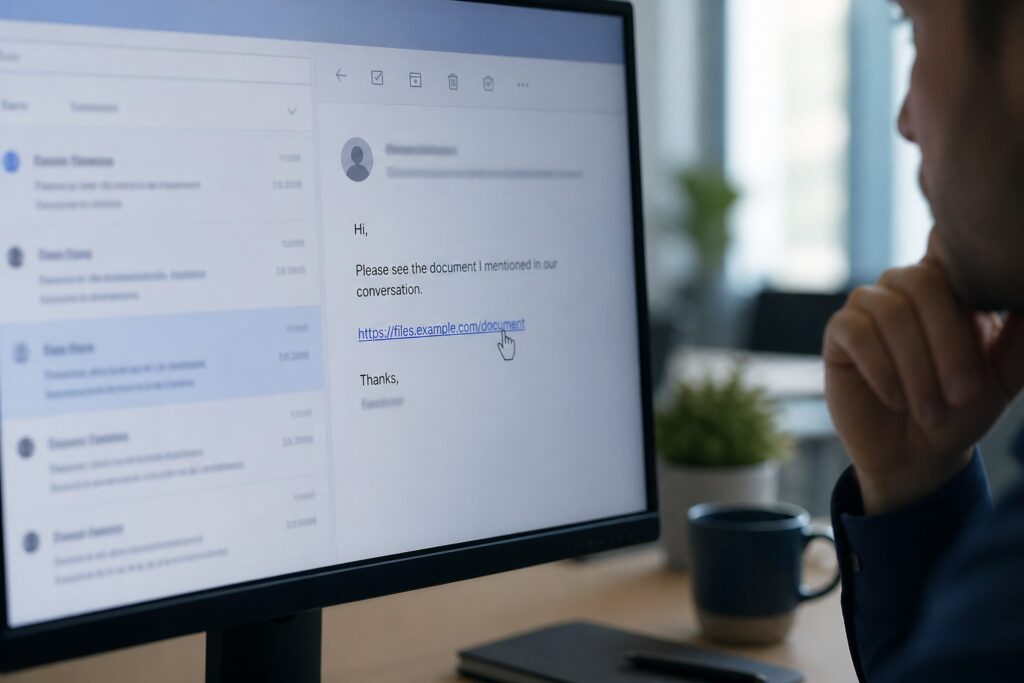
Do not use the link in the message. Open the site or app yourself from a bookmark or by typing the address. If it is a phone call, hang up and dial a number from the back of a card or a statement.
Turn on mfa where you can — especially email. Email is the spare key to everything else.
At the moment of risk
Stop! Pause! Is it urgent? Do you know who it is from? Is it really from who it says it is? If not sure or no — do not click. Check another way.
A self-check
What is sitting in your inbox or texts right now that you have not opened because something felt slightly off? Trust that feeling. Verify before you act — that is the whole skill.
Related: Phishing basics · Online scams hub · NCSC phishing guidance