Phishing Attacks: How to Spot and Avoid Scam Emails
What this means
Phishing works by impersonation and urgency. Learn how to identify attacks and avoid the click that opens the door.
Note: This site may show light ads and occasional affiliate links. How that works.
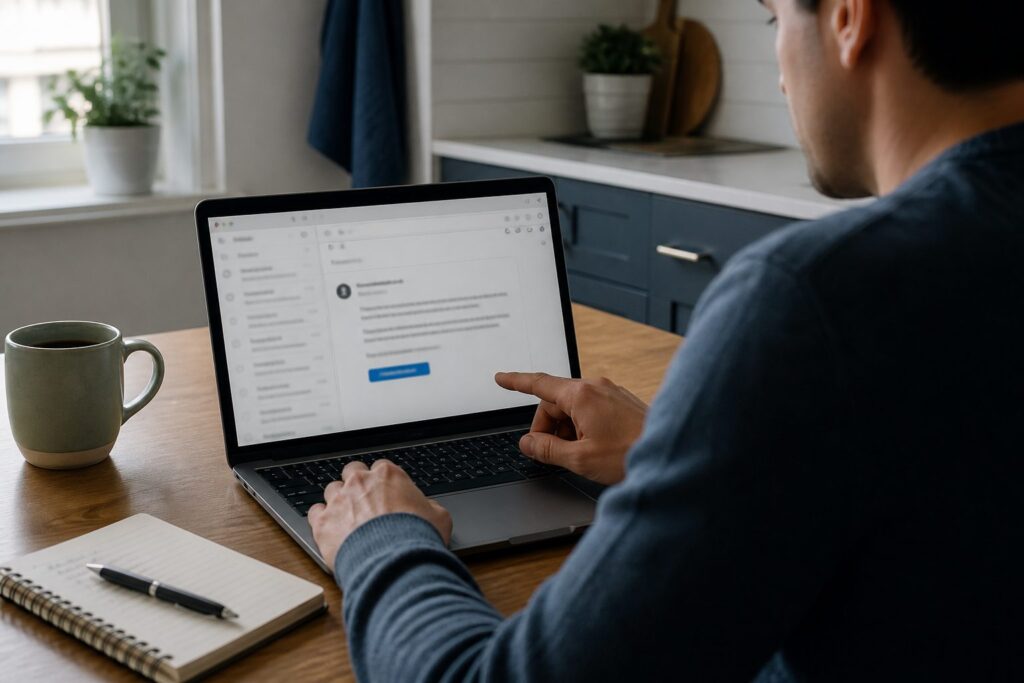
Phishing is a message built to make you act before you think — click, sign in, send money, or share a code. The brand looks familiar. The pressure is the point, and that pressure works on security teams as readily as anyone else when the timing is wrong.
You do not need to catch every variant. You need a slow habit for anything that wants your login or your cash — and the habit is the same whether you run the mail server or just read the inbox.
Never enter a password from a link in an unexpected message. Open the site yourself from a bookmark or by typing the address.
Common UK shapes
Fake bank or HMRC urgency, parcel “fees,” prize claims, IT password resets, invoice PDFs with a twist. Compensation emails and “your device is compromised” surveys turn up often.
Checks that still work
- Hover or long-press to preview the real web address
- Look for urgency and secrecy together
- Compare the sender domain carefully — rnicrosoft-style tricks still work
- Use a known app or typed address for banking
- Report and delete — do not “test” the link
At the moment of risk
Stop! Pause! Is it urgent? Do you know who it is from? Is it really from who it says it is? If the answer is not sure or no — do not click. Check another way.
If you clicked
Change the password from a different device if you can. Turn on multi-factor authentication (mfa). Check email forwarding rules. Tell your bank if money or card details were involved. Report via Action Fraud.
A self-check
Think of the last message that made you rush — a parcel fee, a password reset, an invoice you were not expecting. Did you pause, or did urgency decide for you? Next time that mood hits — tired, busy, something saying “account locks in 15 minutes” — plan your pause before you open the message.
Related: How to spot a fake email · Online scams hub · NCSC phishing guidance