How to Spot a Fake Card Form on a Website
What this means
A checkout page can look real and still be fake. Here’s how to spot a fraudulent card form before you pay.
Note: This site may show light ads and occasional affiliate links. How that works.
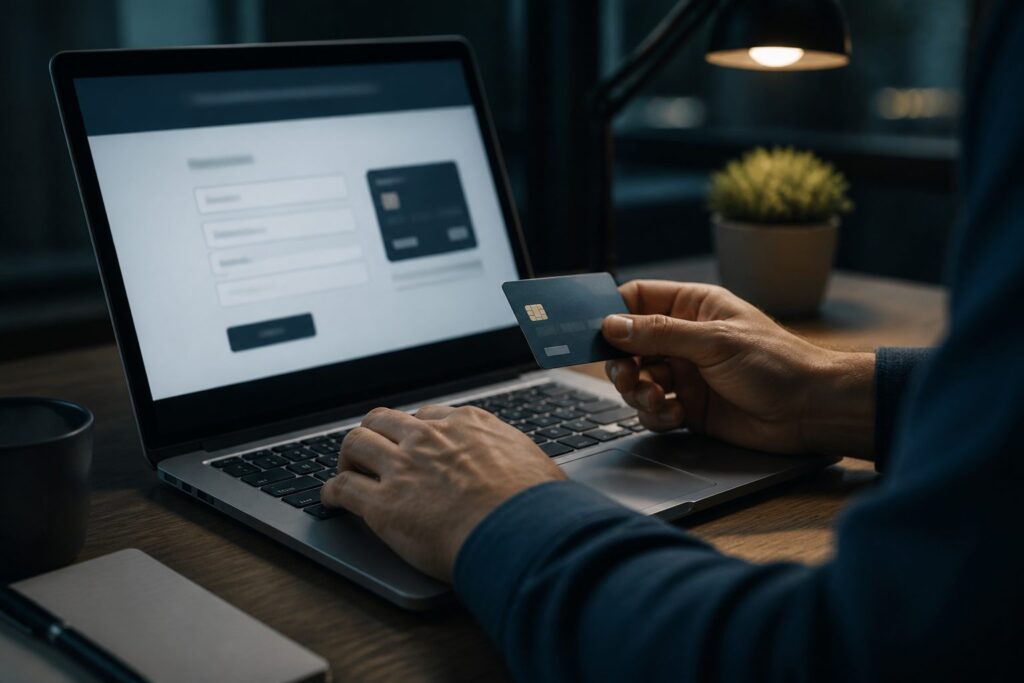
Fake card forms still catch people because the page can look perfect while the URL or the code behind it is wrong. Here is what to check before you type a digit — and why hidden skimming makes “it looked legit” less useful on its own.
Red flags to watch for
No HTTPS or padlock
Legitimate sites encrypt payment data with HTTPS. If the URL starts with “http” instead of “https,” or the padlock is missing, do not enter card details.
Suspicious URL
Read the domain carefully. Criminals use close copies — “visaa.com” instead of “visa.com,” or a long subdomain that hides the real site. Ten seconds on the address bar saves a lot of grief.
Poor design and errors
Blunt fakes still show up: spelling mistakes, inconsistent formatting, low-quality logos. Reliable shops usually maintain professional design — but do not rely on polish alone (see skimming below).
Unusual payment methods
Standard card forms use recognised payment gateways. Be wary if the form pushes cryptocurrency, direct bank transfer, or gift cards instead of normal card processing.
Missing contact information
Reputable sites provide contact details, privacy policies, and terms of service. Absence of those is a warning — not proof on its own, but worth weighing.
Unexpected pop-ups or redirects
Fake forms sometimes trigger intrusive pop-ups or redirect you elsewhere when you submit. That behaviour is a warning sign.
Requests for excessive information
A fake form may ask for a PIN, National Insurance number, or full date of birth alongside the card. Legitimate checkout usually needs standard payment fields only.
User reviews and complaints
Search for reviews about the site. Warnings from other buyers are worth heeding before you share payment details.
Hidden skimming — the form that looks real
Some attacks skip the obviously broken page. The form looks exactly like Stripe, PayPal, or your usual checkout. Criminals inject hidden code — e-skimming or Magecart-style skimming — that copies card numbers as you type, even when the design is flawless.
That is why the URL and who controls the page matter as much as how the form looks.
Stop! Pause! Before you enter card details: Is it urgent? Do you know this shop? Is the URL exactly what you expect — not a close copy? If not sure — close the tab and go back via a bookmark or the shop’s main site.
Steps to stay safe
- Use trusted sites: bookmark shops you use often to avoid mistyped URLs
- Add an extra login step: turn on multi-factor authentication (mfa) on accounts that hold payment methods
- Keep software updated: patch your browser and device regularly
- Monitor account activity: check bank statements for suspicious transactions quickly
Related: Magecart and script monitoring · When AI and skimming overlap · Online scams hub.
A self-check
Think of the last site where you entered card details. Can you remember the exact URL — not just the shop name? If not, next time pause at the payment step and read the address bar. Shop owners: can you say, hand on heart, that only trusted code runs on your checkout page? If not, that is this month’s job.