
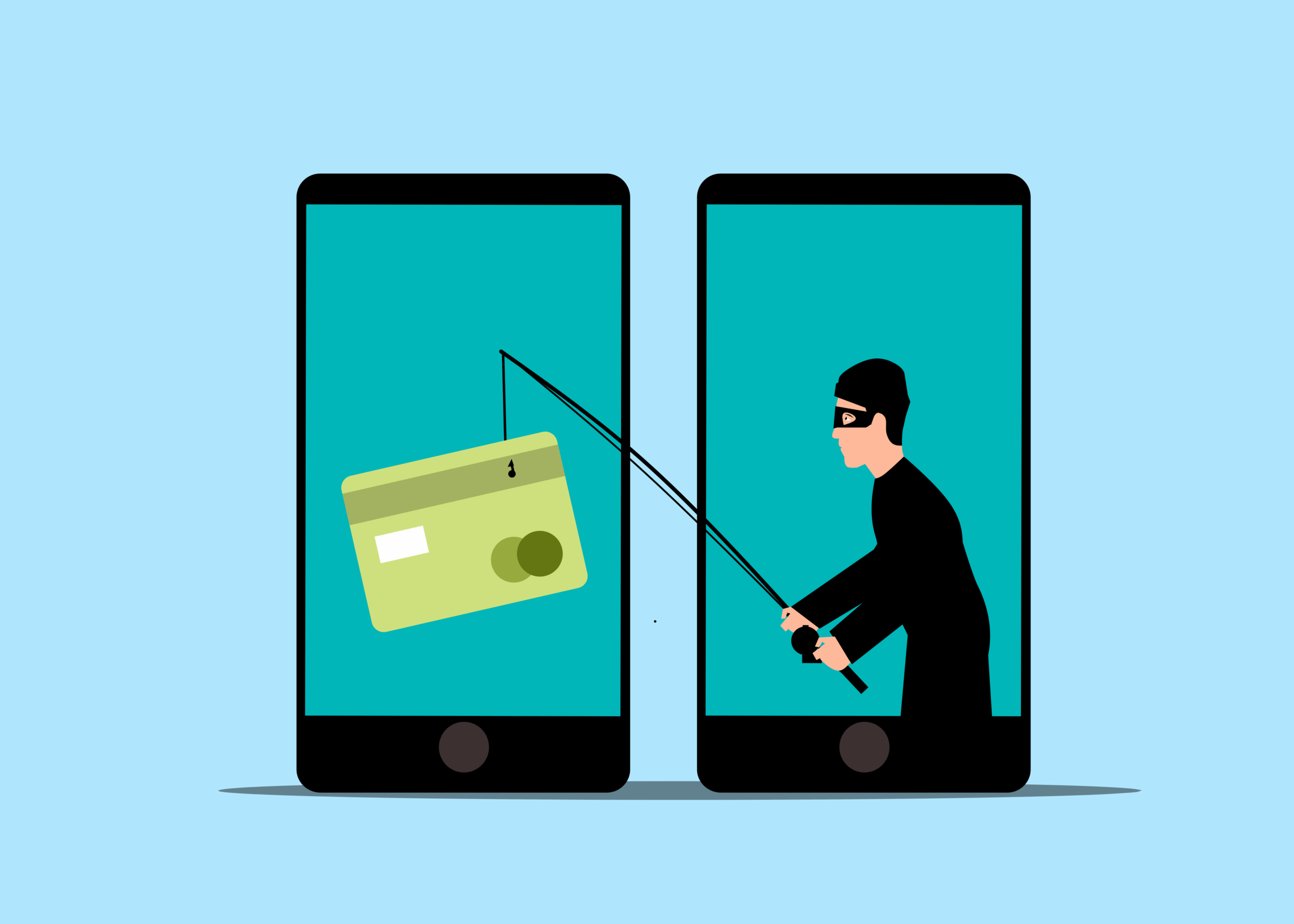
Spear Phishing: AI-Powered Cyber Threats & How to Stay Safe
Cybercriminals are becoming increasingly sophisticated in their methods, leveraging artificial intelligence (AI) to enhance spear phishing attacks. Spear phishing differs from traditional phishing by being highly targeted—attackers carefully research their victims, crafting convincing messages that appear to come from trusted sources. The rise of AI tools has made these attacks even more deceptive, generating personalized emails, deepfake audio, and cloned websites that are almost indistinguishable from legitimate communication.
How AI is Making Spear Phishing More Dangerous
AI-driven cyberattacks have introduced new challenges for individuals and organizations. Some of the most alarming developments include:
- Realistic Email Generation: AI can mimic writing styles, making fraudulent emails appear as if they were sent by a boss, colleague, or financial institution.
- Deepfake Technology: Attackers can create synthetic voices or videos to impersonate trusted individuals, increasing the likelihood of deception.
- Automated Social Engineering: AI can rapidly collect and analyze personal information from social media and public databases to tailor phishing attempts more effectively.
- Real-Time Chat Manipulation: AI-powered bots can engage in live conversations, convincing users to disclose sensitive information.
Key Warning Signs of Spear Phishing
To safeguard yourself from these evolving threats, look out for:
- Unusual Sender Addresses: Even if an email appears legitimate, check for subtle typos or odd domain names.
- Urgency & Pressure: Fraudsters often create a sense of urgency, demanding quick action to bypass scrutiny.
- Unexpected Attachments or Links: Hover over links to check their true destination before clicking.
- Requests for Sensitive Information: No reputable organization will ask for confidential details via email or chat.
- Inconsistencies in Communication: Watch for slight changes in formatting, tone, or signatures in emails from familiar contacts.
How to Protect Yourself Against Spear Phishing
With cyber threats evolving, staying proactive is essential. Here’s how to minimize risk:
- Be Wary of Over-Sharing Online: Limit the personal details you post on social media, including job titles, travel plans, and work affiliations.
- Enable Multi-Factor Authentication (MFA): MFA adds an extra security layer, making unauthorized access significantly harder.
- Use Email Filtering & AI-Powered Security: Advanced email security solutions can detect suspicious messages before they reach inboxes.
- Educate & Train Employees: Organizations should provide regular training to help employees recognize and report suspicious activity.
- Verify Unusual Requests: If a superior or colleague asks for sensitive data or financial transactions, verify with them through a separate communication channel.
Final Thoughts
Spear phishing remains one of the most effective cyberattack strategies, especially with AI making fraudulent messages more convincing than ever. By understanding how these attacks work and implementing strict security measures, individuals and businesses can stay ahead of evolving threats. Vigilance, verification, and cybersecurity best practices are key to preventing breaches and minimizing risk.