Spear Phishing: Targeted Scams and How to Stay Safe
What this means
Spear phishing isn’t random junk mail. It’s personal, researched, and increasingly AI-assisted. Here’s how to recognise it.
Note: This site may show light ads and occasional affiliate links. How that works.
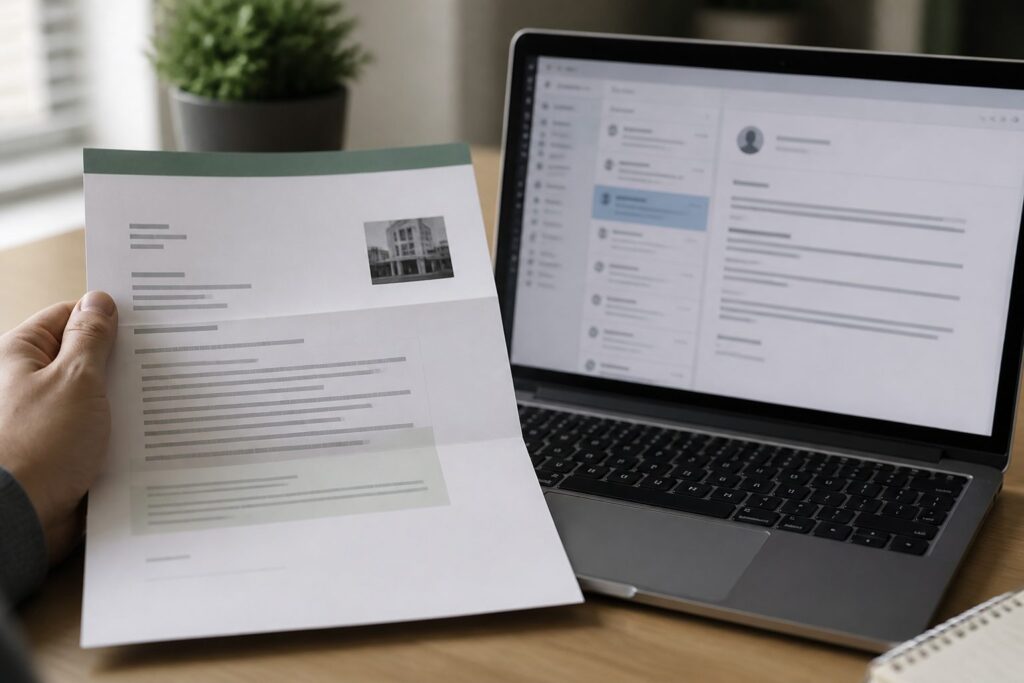
Spear phishing is phishing with homework. Instead of a generic “Dear customer” email, the message uses your name, your job, or something you posted online. Ai can make the wording smoother and the fake voice or video more convincing. The levers stay the same: urgency, authority, and a request you did not go looking for.
That is why it catches people who already know what ordinary phishing looks like — the personal detail is the disguise.
What makes it different
- It looks like someone you know — a boss, colleague, supplier, or bank you actually use
- The details feel personal — a project name, a recent holiday, a real invoice number
- It may arrive by email, text, phone, or even a fake voice or video clip
Warning signs
- Sender address slightly off — extra letters, odd domains, reply-to that does not match
- Urgency plus secrecy — “wire this today,” “do not tell finance yet”
- Unexpected attachment or link, especially payment or login changes
- Small changes in tone or format from someone who usually writes differently
At the moment of risk
Stop! Pause! Is it urgent? Do you know who it is from? Is it really from who it says it is? If a colleague or manager asks for money, codes, or password changes through email or chat — call or message them on a number or app you already use. Not the one in the message.
What helps day to day
- Turn on mfa on email and banking — especially email, which resets everything else
- Be careful what you post publicly — job title, travel plans, org charts help scammers dress up
- In a small team, agree how payment changes get confirmed — always out of band
- Forward odd messages for a second look — speed beats embarrassment
A self-check
If your “boss” emailed right now asking you to buy gift cards or approve a payment in the next hour — would you call back before acting, or would urgency decide? That honest answer tells you where to tighten the habit.
Related: Phishing and deepfakes · Online scams hub